





Point-of-Care Diagnostics: Bringing Laboratory Testing Closer to the Patient
Medical diagnosis has traditionally relied heavily on centralized laboratories. Samples are collected from patients, transported to laboratories, analyzed, and then returned to clinicians as test results.
While centralized laboratory testing remains essential, point-of-care diagnostics have created another important model: performing selected tests closer to where patients are receiving care.
What Is Point-of-Care Testing?
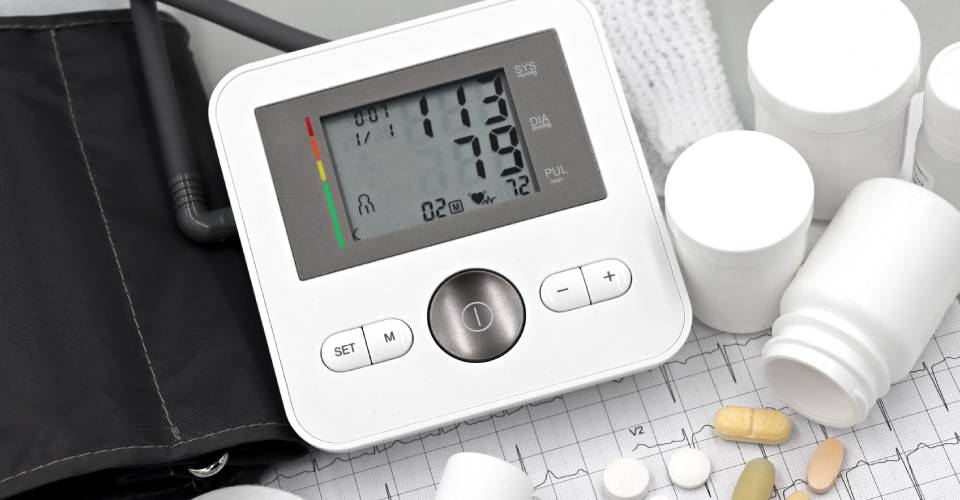
Point-of-care testing refers to diagnostic testing performed near the patient rather than exclusively within a centralized laboratory.
Depending on the test and technology, point-of-care systems can provide clinicians with information during an emergency evaluation, clinical consultation, bedside assessment, or other healthcare setting.
The value of point-of-care testing is closely connected to timing. In situations where clinical decisions depend on laboratory information, reducing the time between sample collection and result availability can be important.
Portable Blood Testing
Portable blood-analysis systems have become increasingly useful in healthcare environments.
Devices such as the i-STAT platform demonstrate how laboratory-style testing can be performed using compact systems designed for point-of-care environments.
Depending on the specific test cartridge and system configuration, point-of-care blood testing can provide information relating to areas such as blood chemistry, hematology, blood gases, and other clinical measurements.
The availability of rapid testing can help healthcare professionals incorporate laboratory information into clinical assessment without necessarily waiting for a centralized laboratory workflow.
Traumatic Brain Injury Testing
Neurological emergencies provide another example of the importance of timely diagnostic information.
Traumatic brain injury can range from mild injury to severe neurological damage. Clinical evaluation may involve neurological examination, imaging, observation, and laboratory testing depending on the circumstances.
Blood-based biomarkers are an area of continuing development in neurological diagnostics. Tests designed to identify biomarkers associated with brain injury may provide additional information for clinicians when evaluating patients with suspected traumatic brain injury.
Technologies such as whole-blood testing platforms are part of the broader movement toward faster and more accessible diagnostic information.
Molecular Diagnostics at the Point of Care
Point-of-care diagnostics are not limited to blood chemistry.
Molecular diagnostic systems can analyze biological samples for genetic material associated with infectious organisms or other conditions. Modern platforms can provide testing capabilities closer to the patient while reducing dependence on centralized laboratory infrastructure for selected applications.
The development of systems such as the BIOFIRE family of diagnostic technologies illustrates the growing role of rapid molecular testing in healthcare.
Speed Is Only One Factor
Although speed is an important advantage of point-of-care diagnostics, reliable testing requires much more than rapid results.
Sample collection, test preparation, instrument operation, quality control, calibration, storage conditions, operator training, and interpretation all influence the usefulness of diagnostic information.
Healthcare organizations must therefore consider the entire testing workflow rather than focusing solely on turnaround time.
The Future of Diagnostic Testing
The continued development of point-of-care technology is likely to produce increasingly compact, connected, and sophisticated diagnostic systems.
Digital connectivity may allow test results to move directly into electronic medical records and clinical workflows. Improvements in sensor technology, molecular testing, automation, and data processing may further expand what can be tested outside traditional laboratories.
Point-of-care diagnostics are therefore becoming an increasingly important component of modern healthcare, helping bring selected diagnostic capabilities closer to patients and clinical decision-making.
