





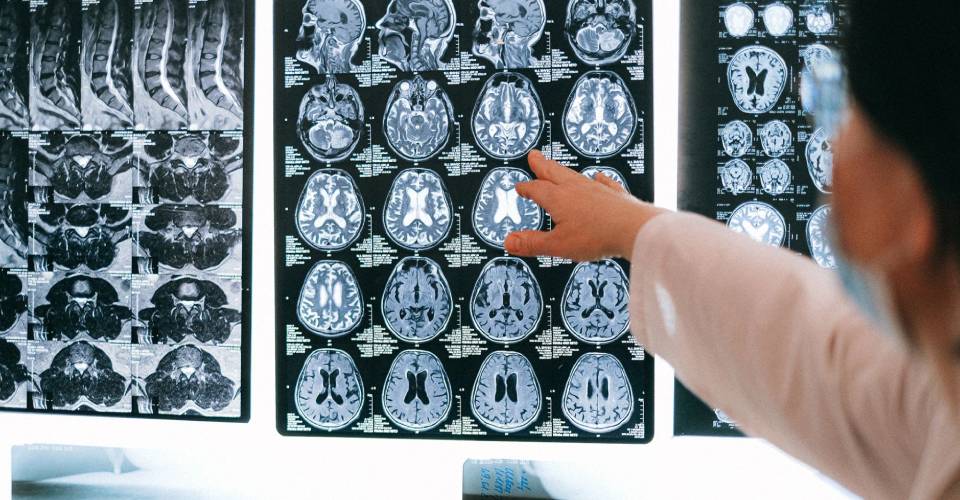
The Evolution of Neurological Diagnostics: From EEG to Advanced Brain Stimulation
Neurological disorders affect millions of people worldwide and can have a profound impact on movement, cognition, communication, independence, and quality of life. As the understanding of the human nervous system continues to advance, healthcare providers increasingly rely on technologies that can detect neurological abnormalities, support diagnosis, and guide treatment with greater precision.
Modern neurological care encompasses a broad range of technologies, from electroencephalography (EEG) and brain monitoring to deep brain stimulation (DBS) and spinal cord stimulation (SCS). These technologies represent different stages of the patient-care pathway, but together they illustrate an important shift in medicine: neurological conditions are increasingly being evaluated and treated using sophisticated, data-driven technologies.
Understanding Brain Electrical Activity
Electroencephalography, commonly known as EEG, is one of the established tools used to evaluate electrical activity in the brain. EEG systems record electrical signals generated by neuronal activity through electrodes positioned on the scalp.
The information obtained from EEG can help clinicians investigate a variety of neurological conditions. Abnormal electrical patterns may provide useful information when evaluating seizures, epilepsy, altered states of consciousness, sleep-related neurological conditions, and other disorders affecting brain function.
Point-of-care EEG technology represents an important development in neurological monitoring because it can potentially bring brain-function assessment closer to the patient. Instead of requiring every evaluation to occur in a specialized neurological testing environment, portable and point-of-care technologies can support broader access to neurological assessment when clinically appropriate.
From Diagnosis to Neuromodulation
While diagnostic technologies help clinicians understand neurological activity, neuromodulation technologies are designed to influence nervous-system signaling.
Deep brain stimulation is one example. DBS systems deliver controlled electrical stimulation to specific areas of the brain through implanted electrodes. The therapy has been used in the management of certain movement disorders and other neurological conditions under appropriate clinical indications.
A DBS system typically involves implanted electrodes, an implanted pulse generator, and a system for programming and controlling stimulation. Treatment requires careful clinical evaluation and individualized programming.
The development of modern DBS technologies demonstrates how neurological medicine has moved beyond simply identifying abnormalities toward highly targeted therapeutic intervention.
Spinal Cord Stimulation
Neuromodulation is not limited to the brain. Spinal cord stimulation involves delivering electrical stimulation to structures associated with the spinal cord and nervous system.
SCS systems have been used in the management of certain chronic pain conditions. The technology works by delivering electrical stimulation through implanted leads, with the objective of modifying pain signaling.
Modern systems increasingly emphasize programmable stimulation and individualized therapy. This reflects a broader trend in medical technology: treatments are becoming more adaptable to the individual patient rather than relying exclusively on standardized settings.
The Importance of Precision
Neurological medicine requires precision because the nervous system is highly complex. Small differences in anatomical location, electrical activity, stimulation parameters, and patient response can influence clinical outcomes.
Consequently, advanced neurological technologies are increasingly being developed around precise measurement, targeted intervention, and adjustable therapy.
Improvements in imaging, monitoring, software, electrode technology, and programming systems are contributing to this evolution.
Looking Ahead
The future of neurological care is likely to involve increasingly integrated technologies that combine diagnostic information, imaging, computational analysis, and therapeutic systems.
The objective is not simply to create more sophisticated equipment. It is to provide clinicians with better information and greater control throughout the patient-care process.
From point-of-care EEG systems to DBS and SCS technologies, modern neurological equipment demonstrates how medicine continues to move toward more targeted, data-informed, and individualized approaches to neurological care.
